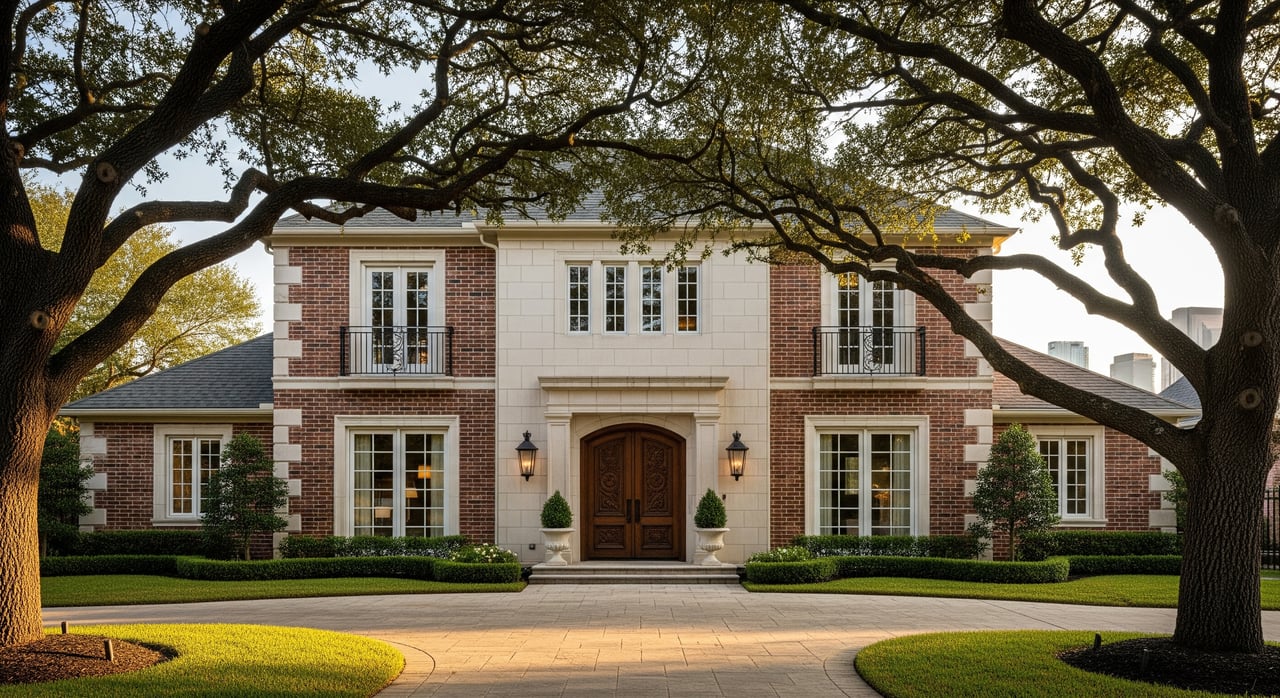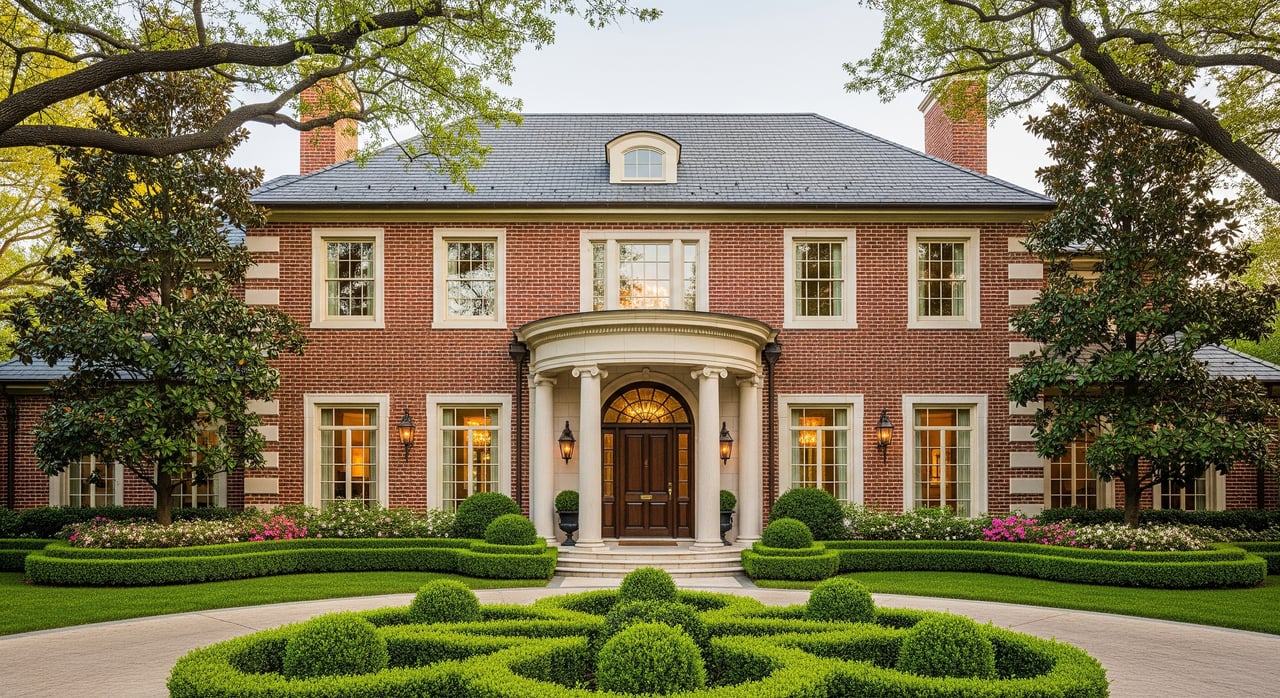
Trying to decide when to list your Highland Park home? Timing is one of the few variables you control, and it can shape your exposure, days on market, and how smoothly you close. If you want to align with buyer demand, school calendars, and a realistic prep schedule, you are in the right place. This guide walks you through Highland Park’s rhythm month by month, with practical timelines and strategy tailored to the Park Cities. Let’s dive in.
Why timing matters in Highland Park
Highland Park is a small, affluent enclave inside Dallas with a high concentration of single-family homes. The buyer pool includes local families, executives, and out-of-market luxury buyers. Demand tends to be less price sensitive and more focused on quality, finish level, lot, and move-in readiness. That means presentation and pricing strategy carry extra weight.
Like much of Texas, buyer activity usually peaks in spring, with a secondary uplift in early fall. Summer heat can slow daytime showings, and winter brings fewer showings but also fewer competing listings. The Highland Park ISD calendar is a key driver for many families, who prefer to move in summer so students can start the new school year after a late June or July closing.
Bottom line: seasonality matters, but so do presentation and planning. The right month for you depends on your goals and how prepared your home is to shine.
Month-by-month listing guide
January
Buyer activity is low to moderate. Serious buyers remain active, but overall traffic is slower right after the holidays.
- Pros: Less competition and more motivated buyers. Strong chance to get ahead of spring inventory.
- Cons: Fewer showings and post-holiday fatigue. Landscaping can look winter-worn.
- Seller moves: Start major prep, book contractors, plan staging, and consider a pre-listing inspection to streamline spring.
February
Buyer activity begins to climb as spring shoppers start scouting in earnest.
- Pros: Early exposure to spring buyers and momentum before March and April listings hit.
- Cons: Outdoor photos can be less vibrant while landscaping is dormant.
- Seller moves: Finish repairs and staging. Schedule professional photos and lawn refresh for early spring curb appeal.
March
Activity ramps up. Open houses and private tours see stronger traffic.
- Pros: Ideal for families targeting a June or July closing. Curb appeal improves and buyers get serious.
- Cons: More competition. Pricing and presentation must be on point.
- Seller moves: List in early or mid March. Launch with full marketing, broker opens, and weekend showings.
April
Historically a peak month for buyer activity.
- Pros: High traffic and strong showings. Well-presented homes can achieve premium outcomes.
- Cons: Plenty of competing listings. Buyers compare aggressively.
- Seller moves: List by early April. Deliver high-quality visuals, including video and twilight photography, and keep the home photo-ready.
May
Demand remains strong. Many buyers aim to lock a contract before summer.
- Pros: Great alignment with late June or July closings. Schools and summer planning create urgency.
- Cons: Competition continues. If inventory grows, pricing may need fine-tuning.
- Seller moves: Prepare for quick feedback cycles and potential multiple-offer scenarios. Have a plan for inspection responses.
June
Activity stays solid, tapering later in the month as vacations start.
- Pros: Still works for summer moves and fast closings. Earlier spring listings are often pending.
- Cons: Summer heat can reduce weekday showings. Vacations complicate scheduling.
- Seller moves: If not under contract, consider a marketing refresh or price adjustment. Emphasize flexibility on possession.
July
Showings can dip due to heat and travel, though motivated buyers remain.
- Pros: Lower competition in some years and serious buyer intent.
- Cons: Reduced foot traffic and curb appeal can suffer without careful landscape maintenance.
- Seller moves: Target relocation and luxury buyers. Schedule showings in cooler hours and consider private preview opportunities.
August
Expect a late-month uptick as families aim to finalize moves.
- Pros: Motivated local buyers with clear timelines. Focused decision-making.
- Cons: Compressed closings before school starts create timing pressure.
- Seller moves: If listing in August, be ready for quick negotiations, potential rent-backs, or expedited closing paths.
September
A secondary uptick often appears as buyers return from summer travel.
- Pros: Focused fall shoppers who missed spring and summer. Interiors show well.
- Cons: Shorter daylight and the holiday season sits on the horizon.
- Seller moves: List in September to capture fall momentum. Refresh seasonal decor and lighting.
October
Healthy fall activity continues, especially for buyers who want to close before year-end.
- Pros: Pleasant weather and attractive autumn landscaping. Buyers are often decisive.
- Cons: More listings come on after summer, so quality marketing remains critical.
- Seller moves: Lean into warm staging and set timelines that support a year-end closing if that is your goal.
November
Activity slows into the holiday period, but motivated and luxury buyers still shop.
- Pros: Lower inventory and cleaner deals. Relocating buyers may want to close before year-end.
- Cons: Holiday schedules shorten showing windows.
- Seller moves: Use targeted marketing and flexible showing times. Private events can work for higher-end properties.
December
Overall traffic is lowest, though luxury and out-of-town buyers may still tour privately.
- Pros: Minimal competition and fast decisions from serious buyers.
- Cons: Fewer showings and potentially longer time to contract.
- Seller moves: Consider soft-launch strategies or curated private previews. Use the month for deep prep if aiming for a spring debut.
Prep timeline that works in Highland Park
Give yourself enough runway so you can choose the month that aligns with your goals. A realistic schedule looks like this:
- 6 to 12 weeks or more: Major projects and upgrades such as roof, HVAC, and significant repairs or remodels.
- 3 to 8 weeks: Cosmetic updates, paint, flooring touch-ups, landscaping, and staging plan.
- 1 to 3 weeks: Professional cleaning, staging installation, photography, video, and floor plans.
- 1 week before listing: Optional pre-listing inspection and final document collection, including warranties and utility info.
If you want to hit the spring peak, start major prep in January or February. That lets you launch in March through May with your best foot forward.
Plan your closing window
In Texas, most financed purchases close in about 30 to 45 days after going under contract. Cash or luxury deals can move faster or follow a custom timeline. If you need your move to line up with the HPISD school start, back into your listing date so you can accept a contract 30 to 60 days ahead of your ideal closing.
Luxury-market considerations
Luxury buyers often shop year-round and favor private tours and curated opportunities. Quality trumps exact timing. That said, spring and fall social seasons tend to support high-end activity, especially when listings offer strong visuals and thoughtful presentation.
If your property sits at the top of the Park Cities price spectrum, prioritize:
- High-impact visuals such as drone, video, and twilight photography.
- Transparent condition information, including pre-inspection summaries when appropriate.
- Flexible showing schedules and, when useful, private preview events.
- Messaging that highlights lot, architecture, finishes, and proximity to local amenities.
Pricing and marketing tips by season
- Spring peak: Price tightly to recent comps, dial in staging, and launch with complete media and a strong first week of showings.
- Summer: Lean on convenience and timing. Emphasize flexible possession and quick closing options.
- Fall: Spotlight interiors and lifestyle. Use autumn curb appeal and target buyers who want to close before year-end.
- Winter: Focus on quality and scarcity. With fewer competing listings, your home can stand out when it is move-in ready.
How to choose your month
Use your goals to set the timeline, then fit the month to the plan:
- You want to move before the new school year: List in March through May to target a late June or July closing.
- You want less competition and strong buyers: Consider January, February, or December, and prepare for potentially longer market time.
- You prefer a fall move: List in September or early October to allow 30 to 45 days for closing.
- You need time for renovations: Start prep now and choose the first month after your project and staging are complete, not the other way around.
Common timing mistakes to avoid
- Rushing photos and staging to hit a date. In Highland Park, presentation is a key value driver.
- Pricing for last year’s peak without confirming current activity and inventory.
- Ignoring the school calendar if your ideal buyer is likely to move in summer.
- Listing right before a long trip. You want to be available for quick decisions and negotiations.
- Waiting too long in fall if you need a year-end closing. List by mid October to keep your timeline realistic.
When you combine a clear goal, a realistic prep plan, and a launch month that matches buyer patterns, you give yourself the best path to a smooth sale.
Ready to map out your timeline and launch strategy for Highland Park? Connect with Kin Worth Realty to align your prep, pricing, and marketing with the month that fits your goals.
FAQs
What is the best month to list in Highland Park?
- Spring months, especially April and May, typically see the most buyer activity in Highland Park, with March and June also strong.
How do school calendars affect listing timing in Highland Park?
- Many families aim to close in late June or July so students start the new school year after moving, which points to listing in March through May.
Do luxury homes follow the same seasonality in Highland Park?
- Luxury buyers shop year-round and value quality and privacy, but spring and early fall still support strong activity when marketing is elevated.
Is winter a bad time to sell in Highland Park?
- Winter has fewer showings, but inventory is lighter and serious buyers remain, which can benefit well-presented listings.
How far in advance should I start preparing my Highland Park home?
- Plan 6 to 12 weeks for major work, 3 to 8 weeks for cosmetic updates and staging, and 1 to 3 weeks for final media and marketing.
How long does it take to close on a Highland Park home sale?
- Most financed transactions close in about 30 to 45 days after going under contract, while cash deals can close faster.
What if I need to sell in July or August during peak heat?
- Focus on early morning or evening showings, keep landscaping lush, and target motivated relocation and local buyers who are on a tight timeline.